

Each year, the University Fund Limburg supports special initiatives by students and staff at Maastricht University (UM). Thanks to the CooSa grant, students have the opportunity to organise activities that strengthen the university community. The CoBes grant enables UM staff to carry out educational and research projects or to organise scientific events.
Discover how CooSa and CoBes contribute to innovative, social and scientific projects. From the Teddy Bear Hospital to research into AI in healthcare – be inspired by the impact of these initiatives!
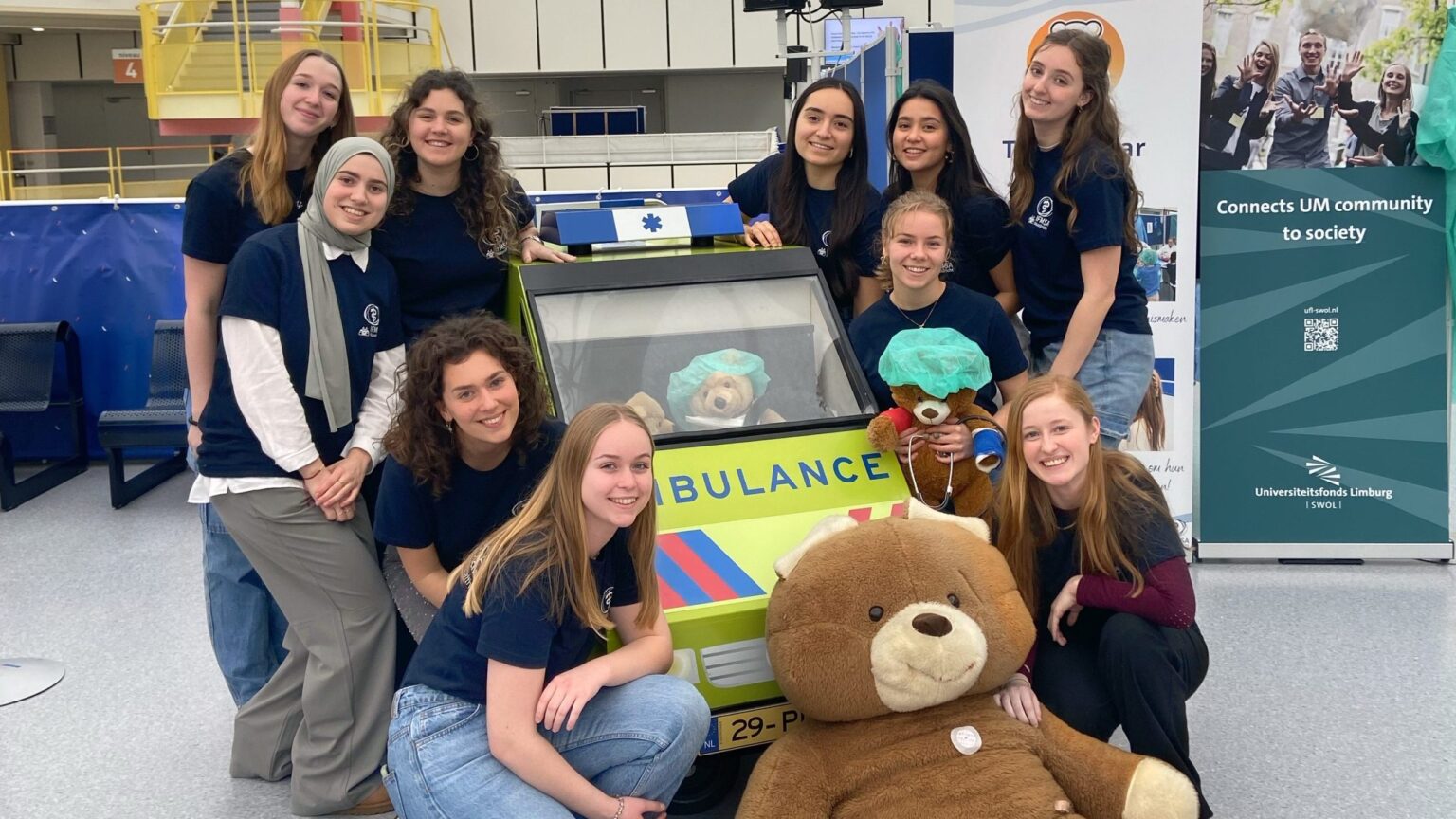
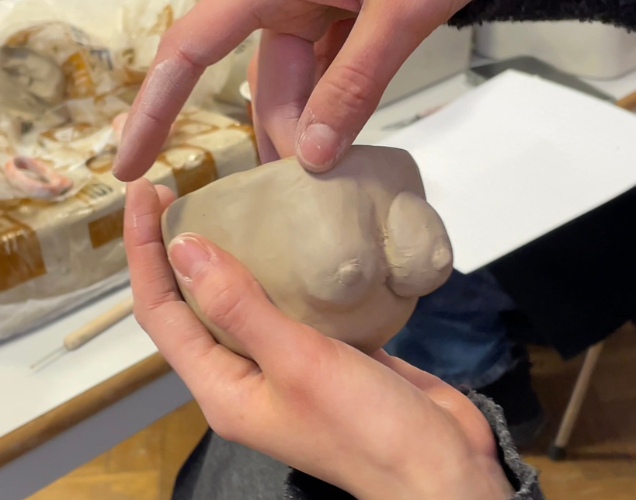
How do you make a topic like breast cancer accessible to students? A group of students succeeded in doing just that by combining information with creativity, connection and interaction through two creative and educational workshops. In a safe and welcoming environment, participants learned about the symptoms, risk factors and diagnosis of breast cancer. They also practised breast self-examination using balloons filled with flour and a Tic Tac representing a “tumour” – a simple yet effective way to make self-examination more tangible. To help participants retain what they had learned, artists from Maastricht contributed to the workshops. Participants created ceramic pieces and designed handmade mini magazines containing practical information and simple exercises. These creative keepsakes could also be shared with friends and family, helping to spread the message beyond the workshops themselves. The workshops offered much more than knowledge. They created new connections, inspired future collaborations and encouraged open conversations about breast cancer. Interest was high: both workshops were fully booked within a short time. As a result, Project Busted is already developing new workshops and activities for next year. In this way, the project is making conversations about breast cancer more accessible while raising awareness of the disease.
Hepatocellular carcinoma, the most common form of liver cancer, is a leading cause of cancer-related deaths worldwide. Unfortunately, the number of cases continues to rise. At the same time, standard immunotherapy is effective in only 15-30% of patients. This means that many patients undergo an intensive treatment that offers limited benefit while potentially causing significant side effects. Dr Yan Sun and her team would like to take the first steps in changing this. They are doing so by investigating the relationship between specific proteins that play important roles in how cancer cells interact with the immune system. The aim of the study is to determine whether these molecular markers can serve as biomarkers: measurable indicators that can predict which patients are likely to respond well to immunotherapy and which are not. Ultimately, the researchers hope that a simple blood test will enable clinicians to identify the most effective treatment for each patient more quickly. This could help prevent unnecessary side effects and ensure that patients receive the treatment most likely to benefit them.
Photo: Canva
Most dialysis patients have advanced kidney failure and, on average, live for around five years with this condition. However, many of the medicines prescribed to them have not been specifically studied in this vulnerable patient group, particularly during the final stage of life. Studies conducted in the general population do not always provide an accurate picture of how these medicines affect dialysis patients because of the complex interplay between kidney failure, frailty and co-existing medical conditions. As a result, healthcare professionals and patients often lack sufficient evidence to determine whether certain medicines, such as anticoagulants and antihypertensive drugs, are more likely to provide benefit than cause harm. To address this knowledge gap, Dr Pim Bouwmans and his research team, supported by a CoBes grant, are investigating the feasibility of applying advanced statistical methods. Their aim is to identify patients for whom cardiovascular medication may offer little benefit or could even be harmful. Research projects such as this contribute to more evidence-informed decision-making by both healthcare professionals and patients. Ultimately, they will help make care for dialysis patients safer, more personalised and more effective.
Photo: Evianne Wiegers
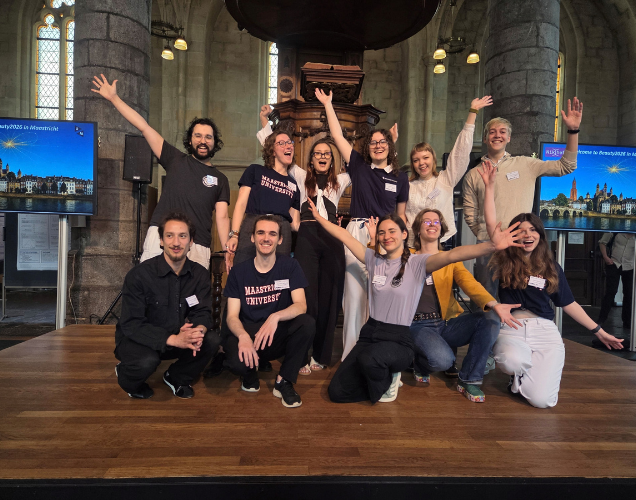
In June 2026, Maastricht welcomed an international community of physicists for Beauty2026, a leading conference on b-quark physics. Thanks to a CoBes grant, 11 bachelor’s students were able to attend the conference and present their research. The Bachelors@Beauty initiative, launched by Dr Keri Vos, gave them the opportunity to share their work, connect with researchers from around the world, and gain inspiration from the latest developments in physics. Beyond the scientific talks, the conference offered a glimpse into life as a researcher, creating opportunities to build international connections and explore future research and internship opportunities. The students also gained new perspectives on scientific challenges and the collaborative nature of research. From discovering new developments in physics to connecting with potential future colleagues, Beauty2026 offered these students a valuable opportunity to become part of the wider scientific community and explore their future in research.
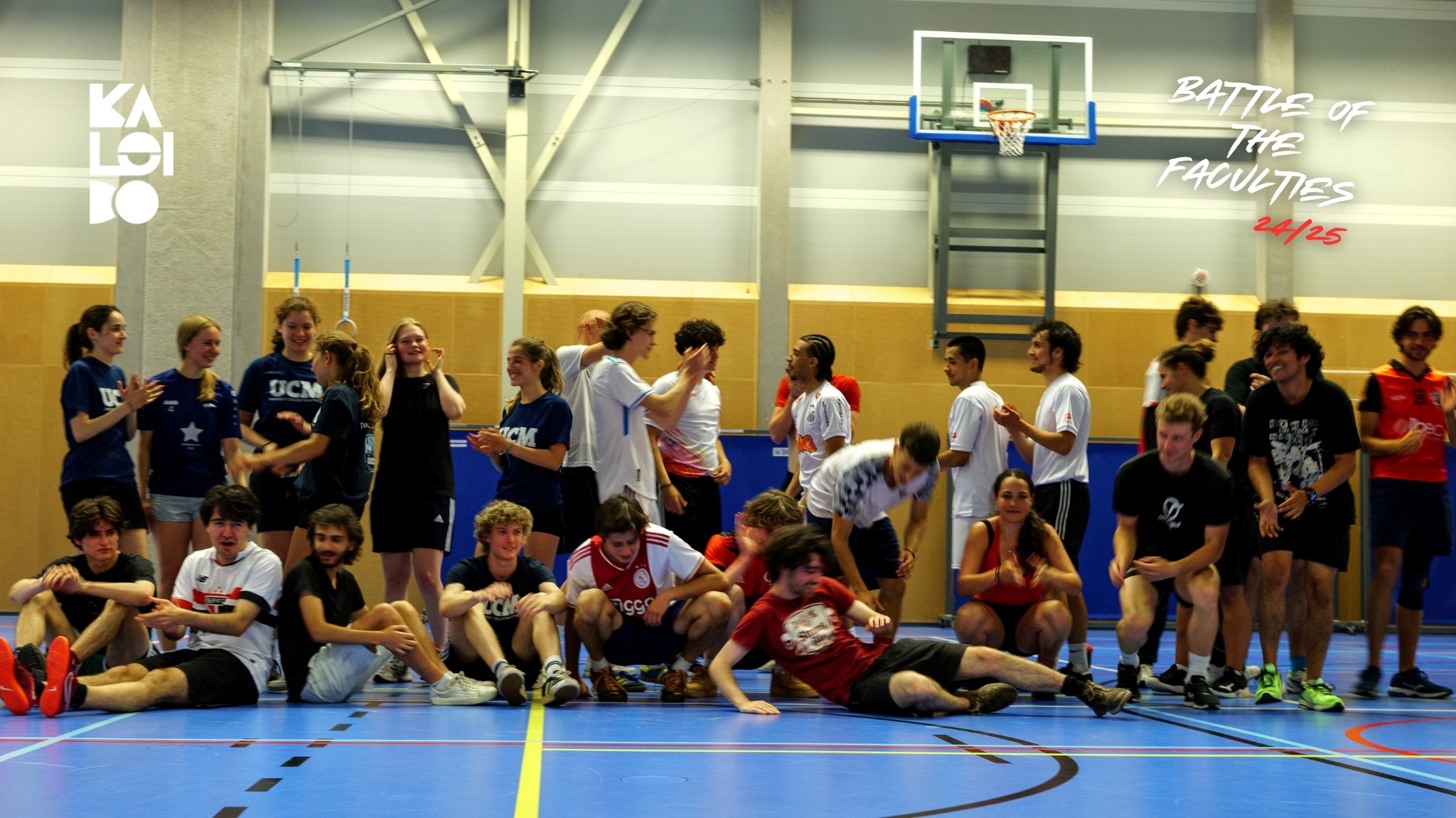
One of the most cherished memories young people retain from their student days is the friendships they form. Driven by students’ desire to connect with one another beyond the boundaries of their own faculty, the student association Kaleido, together with several other student organisations, came up with the idea of organising a Battle of the Faculties. For this event, which consisted of three championships, each faculty assembled its own team. During the Battle of the Brains, students put their critical thinking and intellectual skills to the test. The Battle of the Fittest revolved around football, rowing, and tug-of-war. For the Battle of the Bands, each band performed two songs. The faculty that had collected the most points after the final championship was crowned the winner. In this way, student engagement and interaction between faculties were encouraged — elements that are essential for a thriving university community.
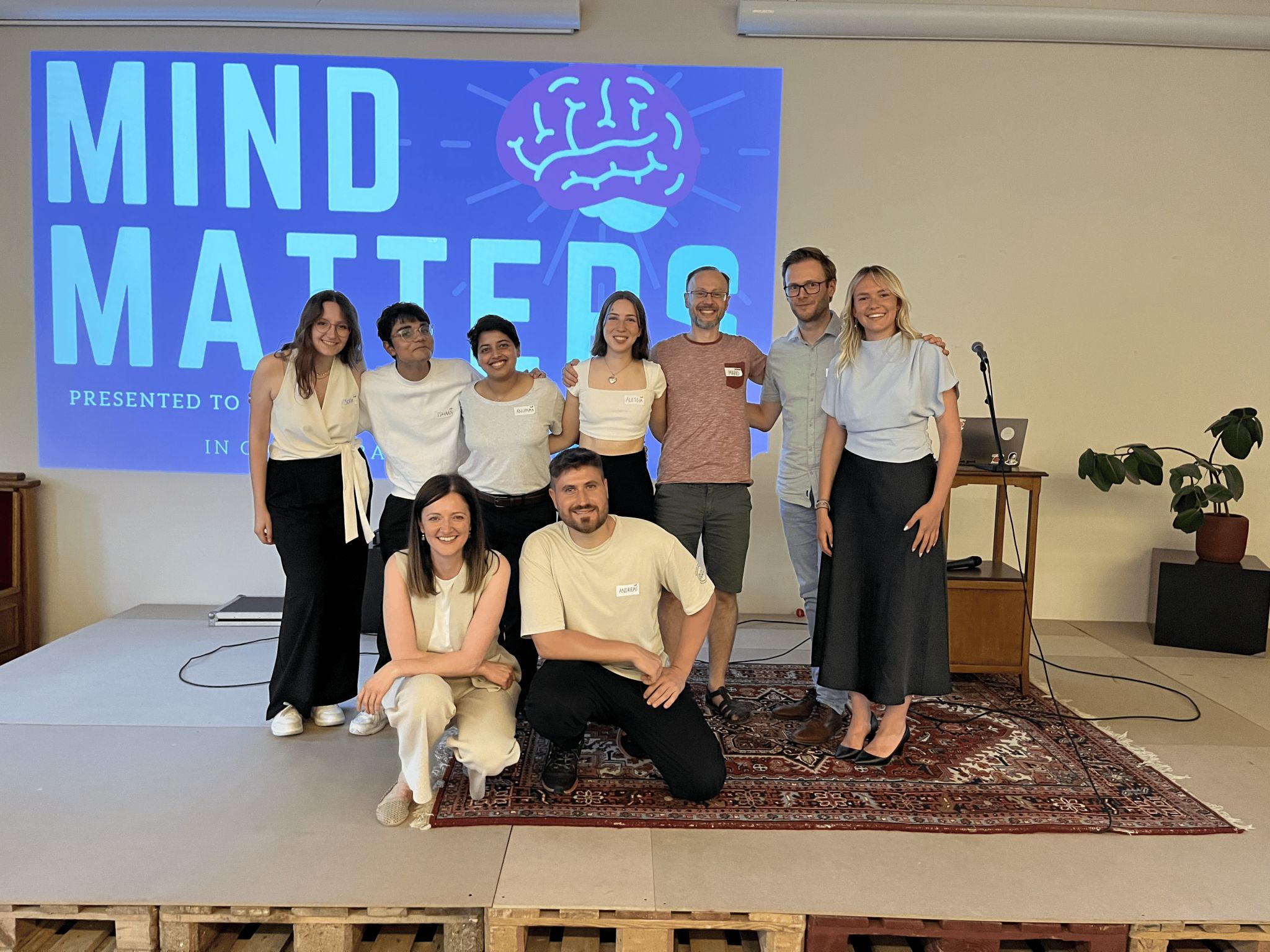
Brain health is increasingly moving up the agenda, both in scientific circles and in society at large. To draw further attention to this important theme, students organised the interactive event Mind Matters. The aim was not only to engage UM students, but also to actively involve residents of Maastricht in the topic. The entire programme revolved around brain health. Visitors could attend inspiring lectures by researchers on brain health, neurological disorders and neuroscience. There were also interactive, game‑based activities such as a quiz, along with plenty of opportunities for informal interaction between students, residents and scientists. By bringing together different generations and groups around their shared interest in scientific knowledge and public health, the event helped to build a bridge between science and society. This aligns seamlessly with the mission of the University Fund Limburg.
Huntington’s disease is an inherited neurodegenerative condition in which nerve cells in the brain gradually die. This leads to involuntary movements, cognitive decline and psychiatric symptoms. Yet patients do not bear this burden alone: their loved ones are often confronted with chronic stress, caregiving responsibilities and anticipatory grief, all of which can have lasting psychological effects. The research conducted by Dr Maud Daemen, which combined qualitative and quantitative methods, therefore focused on gaining a deeper understanding of this hidden impact. The aim was to shed more light on the quality of life and lived experiences of those close to people with Huntington’s disease, as well as the consequences for their social lives and work. Ultimately, this knowledge provides an important foundation for developing targeted support and appropriate assistance for this group.
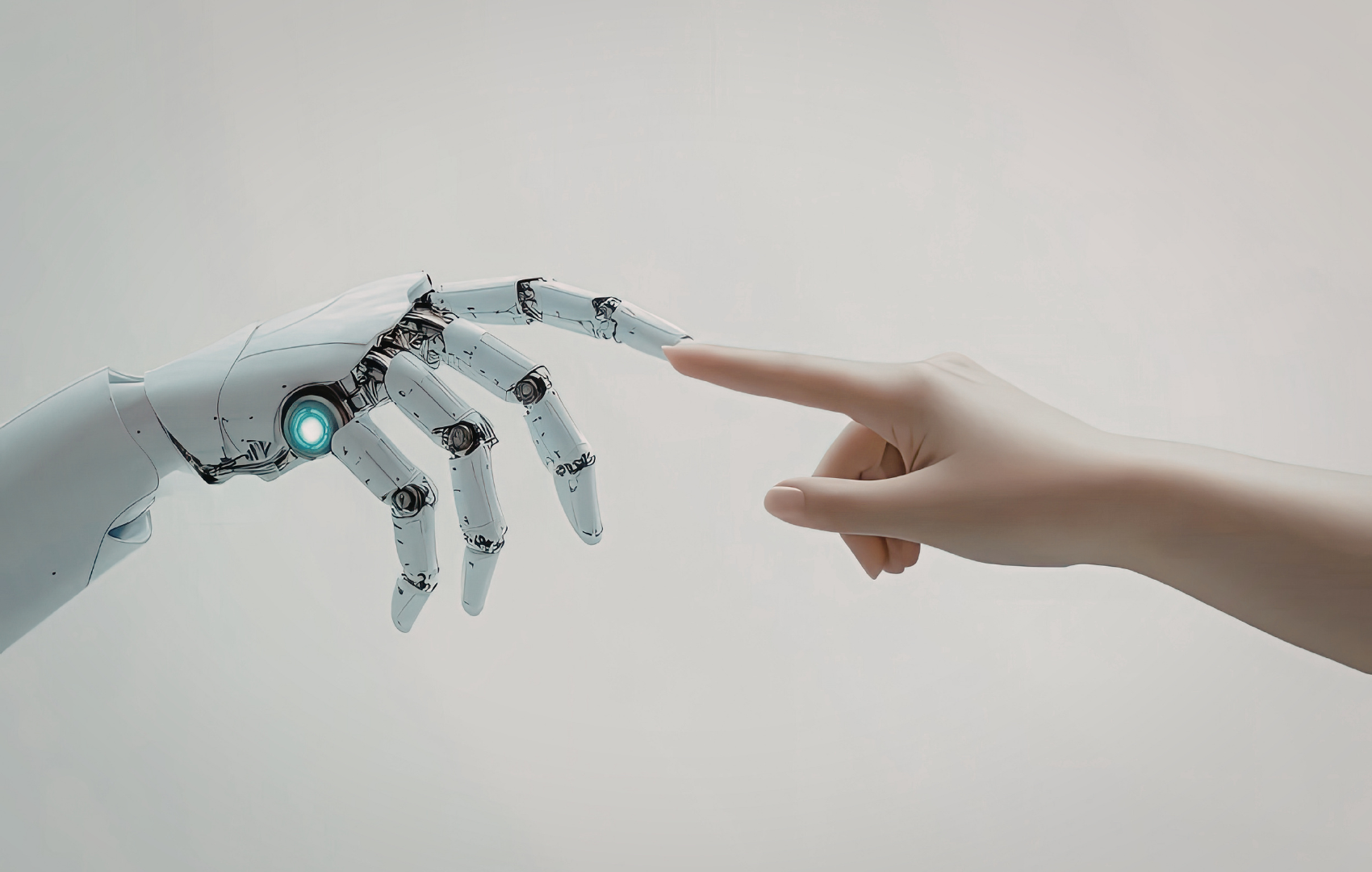
The possibilities for linking brain activity to technology are expanding rapidly, and within education there is a growing need to familiarise students with these developments. In response, Professor Renaud Jolivet and Dr Daan van Beek of the Faculty of Science and Engineering (FSE) are developing new teaching materials focused on measuring brain signals and operating drones and robotic systems. Students, specifically from the Maastricht Science Programme, will work with affordable EEG devices, research drones and robotic hands, which will be integrated into project‑based education, skills training, and bachelor’s and master’s research projects. Through this hands‑on approach, they will gain insight into how neuroscience, data analysis and engineering converge in practical applications. Together, these efforts contribute to innovative, interdisciplinary education that reflects the growing importance of neurotechnology in both science and society.
Het zal een aandoenlijk gezicht zijn geweest: ruim 1000 schoolkinderen tussen de 4 en 7 jaar liepen in februari door de wandelgangen van het MUMC+ met hun ‘zieke’ knuffels, op weg naar het Teddy Bear Hospital. Het berenziekenhuis bestaat uit een spreek-, gips-, en operatiekamer, lab en apotheek. Samen met een begeleidend student plakten de kleuters pleisters, maakten röntgenfoto’s en legden verbandjes en gips. Het project laat kinderen op een speelse manier kennismaken met de gezondheidszorg. ‘Een bezoek aan de huisarts of het ziekenhuis kan intimiderend en stressvol zijn’, vertelt FHML-student Isabelle Bastiaens, vrijwilliger en commissielid van studentenorganisatie IFMSA-Maastricht, initiator van het event. ‘We hopen dat de kinderen een positieve associatie met de zorg ontwikkelen. Als toekomstige dokters leren wij om te anticiperen op hun belevingswereld.’ Zuid-Limburg kent een hardnekkige gezondheidsachterstand ten opzichte van de rest van Nederland, onder andere op het gebied van levensverwachting, gezonde leefstijl en overgewicht. Het Teddy Bear Hospital is daarom juist in deze regio zo’n belangrijk project.

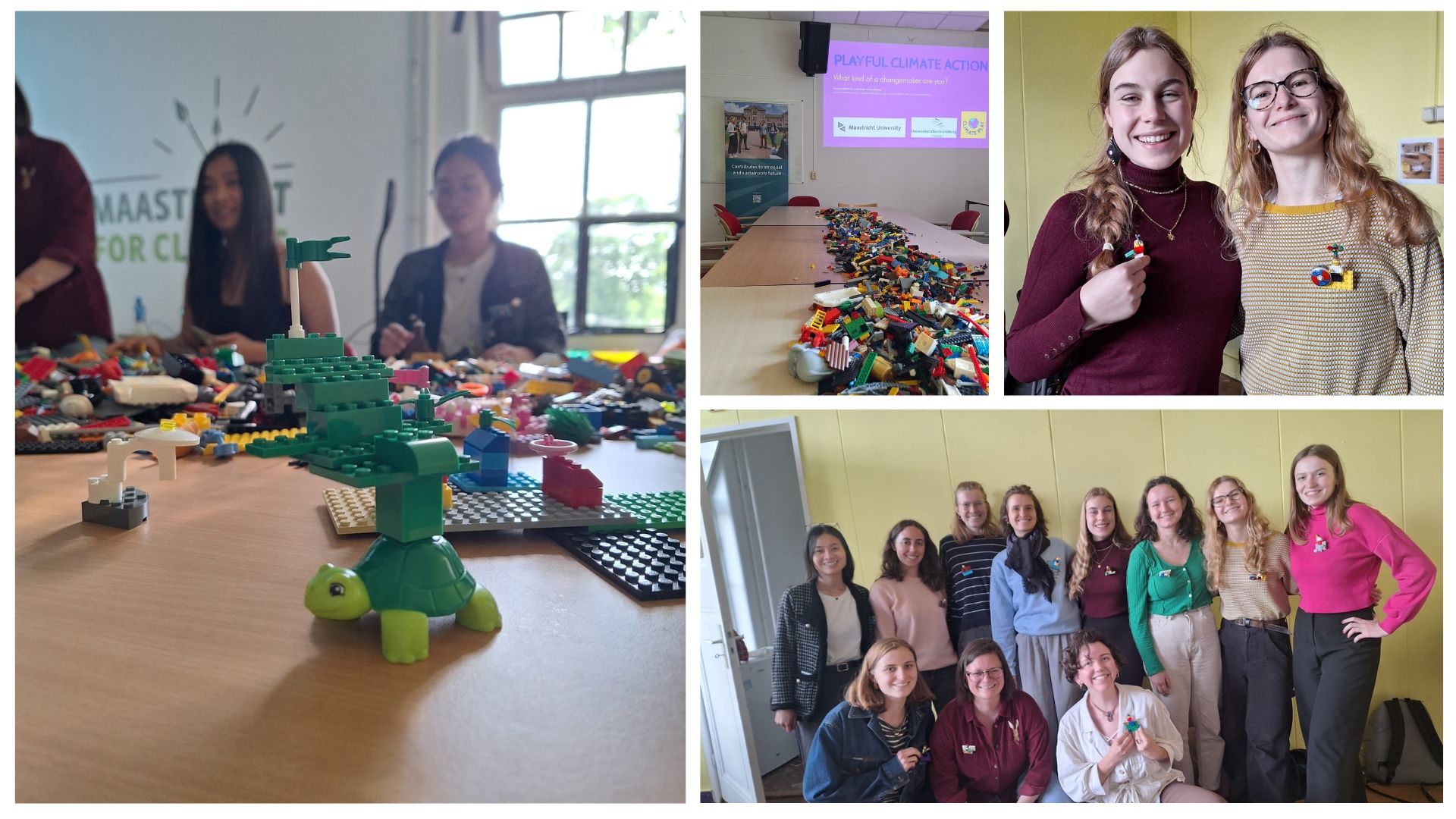
In May, a group of enthusiastic UM students took part in the Climate Play workshop, an initiative by SBE student Maria Zielinska. Using LEGO® Serious Play®, they tackled the topic of climate change with both hands, leading to surprising new insights. Together with Klimaat Actie Netwerk (KAN) Maastricht, Maria brought the workshop from the UK to Maastricht. The creative approach makes serious issues more accessible and less overwhelming. Through play, we can give free rein to our imagination and beliefs. Using ‘playful learning’, Lucy Hawthorne, founder of Climate Play, helps participants explore climate change in a safe, light‑hearted yet still profound way.
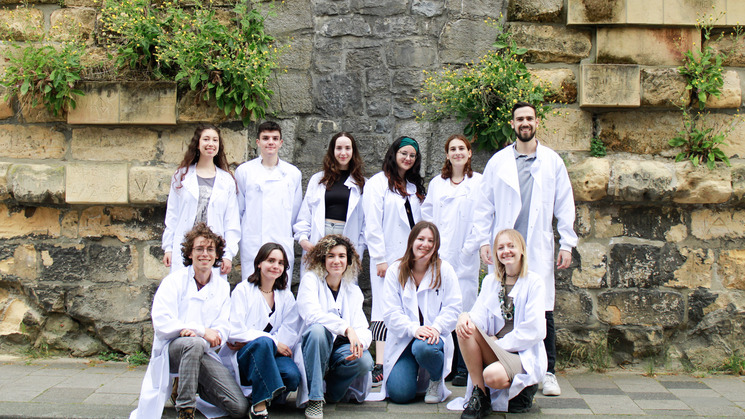
The SublimeStone project, developed by students of the Maastricht Science Programme (MSP), focuses on repairing cracks in porous limestone using bacteria through DNA‑origami techniques. The aim is to conserve buildings in an environmentally friendly and sustainable way, rather than relying on expensive and polluting epoxy resins that may alter the appearance of the stone. The project centres on marlstone buildings in Maastricht, such as the much‑loved Basilica of Our Lady, which are increasingly damaged by weathering. By applying synthetic biology in a practical context, the project becomes both accessible and tangible.
Healthcare systems worldwide are struggling with complex challenges related to an ageing population, increasingly intricate medical conditions, rising expectations and growing costs. There is a strong need for a proactive health model that emphasises preventive care and involves patients more closely in their care pathway. During the two‑day symposium AI in Medicine and Healthcare, the central question was what role Artificial Intelligence could play in this transformation. Leading professors discussed the impact of AI on global healthcare. The symposium was organised by the Department of Advanced Computing Sciences (DACS), part of the Faculty of Science and Engineering.
On 25 April, the interactive theatre performance SAFE SPACE took place for 150 students and staff. It was a joint initiative by the student associations Koko, Circumflex, Onafhankelijk Maastricht, Amphitryon, Saurus, Maastricht University and Zuyd University of Applied Sciences, aimed at raising awareness of issues such as sexual misconduct, peer pressure and racism. After the performance, the audience took part in a discussion on social (un)safety and inappropriate behaviour, and participants were able to join a range of workshops.


It is well known that external threats such as the Russian invasion of Ukraine and the rise of China affect cooperation between European countries. But how do they influence public opinion? The University Fund supported a study by Studio Europa that provides new insights into cohesion within Europe amid global turmoil. The research consists of a survey experiment conducted in four European countries, analysing the impact of external threats on attitudes towards the EU. With the support of the University Fund, a survey has been developed and will be launched in early 2024.
According to Professor Gera Nagelhout, researchers still talk too much about people with a lower socioeconomic position and too little with them. This is why the Department of Health Promotion set out to establish a permanent advisory group made up of people who have to get by on very little income. Drawing on their lived experiences, they will advise on the department’s research. This will ultimately help us develop more targeted health programmes to improve the wellbeing of this vulnerable group. In September 2021, the search for participants for the advisory group began. A group of 15 people has now been formed, and meetings take place every two months. Start‑up funding was needed to launch the advisory group and to conduct research into its functioning. In consultation with the Fund, a crowdfunding campaign was therefore initiated, along with a request for additional funding.
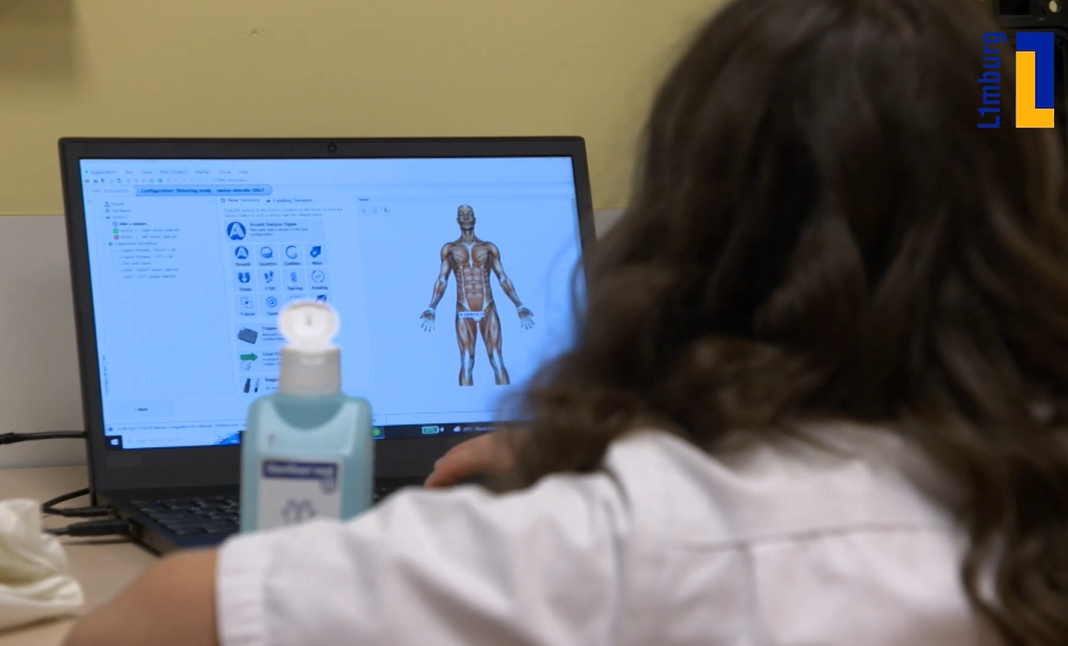
For medical and scientific research, large numbers of volunteers are needed to take part as test participants. How can we lower the threshold for taking part and help people understand that research volunteers are genuinely essential? With this in mind, project manager and researcher Stephanie Huysmans (FHML) received a grant in 2020. Together with her Department of Nutrition and Movement Sciences, she aims to create a ten‑part portrait series, Test Heroes, in which participants share their experiences. The series will be broadcast by regional broadcaster L1.
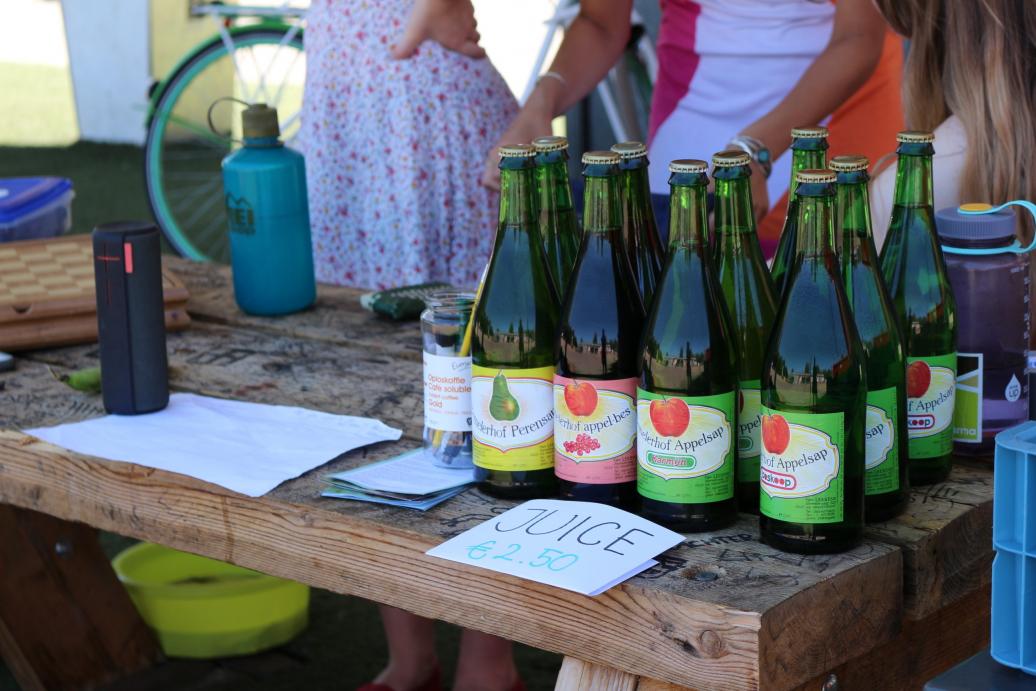
UM student Liza Diane Gordin, together with several fellow students, received a CooSa grant to establish the first student food cooperative in the Benelux. This remarkable initiative, called Foodcoop Maastricht, supports the students in realising their ambition to make organic and sustainable food and products accessible and affordable for everyone.
In 2019, the book Effective Scientific Writing and Publishing was published by Jochen Cals and Daniel Kotz, both affiliated with Maastricht University. The book offers students, PhD candidates and (early‑career) researchers a wide range of tips on academic writing and publishing. The authors received funding for the project in 2014.
The University Fund Limburg (UFL) helps make student initiatives possible through the CooSa grant. Do you have an innovative idea that strengthens the UM community? Apply for a grant and bring your project to life!
UM staff can make use of the CoBes grant to fund teaching and research projects or scientific events. Contribute to innovation and impact with the support of the UFL!